Staying Connected in Vancouver: SIM Cards and eSIMs for Visitors
If you’re visiting Vancouver, you have a few solid options for getting a local data plan, and the right one depends mostly on your phone, your trip length, and how much you want to deal with it.
Key Takeaways
eSIM is the easiest option for most visitors. Buy online, scan a QR code, and activate when you land. No store visits, no SIM swapping.
Your phone needs to be unlocked and eSIM-compatible (iPhone XR+, Samsung Galaxy S20+, Google Pixel 3+) to use a travel eSIM.
For stays of 30+ days, major carrier prepaid plans (Telus, Bell, Rogers) are worth considering. Just remember to cancel or you’ll be charged again.
For short trips, tourist-focused SIMs and eSIMs from providers like Airalo, Holafly, or Roafly are simpler and often cheaper than signing up with a local carrier.
Data rule of thumb: 3–5 GB for a week-long city trip, 10–20 GB for two weeks, unlimited-style for longer stays or remote work.
Our Recommendation: Get an eSIM Before You Land
For most visitors with a newer phone, a travel eSIM is the easiest move. You buy it online, scan a QR code, and activate it when you land. No store visits, no hunting for a kiosk at the airport, no swapping SIM cards. You step off the plane and you’re online.
This works on iPhone XR and later, Samsung Galaxy S20 and later, and most recent Google Pixel models. Your phone also needs to be unlocked (not tied to a single carrier back home).
If that’s you, skip ahead to the eSIM picks below.
If eSIM Isn’t an Option for You
Two alternatives worth knowing about:
1. Major Carrier Prepaid Plans (Telus, Bell, Rogers)
All three offer prepaid plans tourists can buy in-store — typically 30-day bundles with data, calls, and texts. Strong coverage, familiar brands. The catch: these are better suited for stays of 30 days or more. You’ll need to remember to cancel or you’ll be charged again at the next cycle.
2. Tourist-Focused Physical SIMs
These are designed specifically for short-term visitors:
CanadianSIM — Ships a physical SIM to your home before you fly (eSIM version also available). Plans like 70 GB over 30 days with unlimited Canada/US calls and texts, marketed directly to tourists.
Chatr at Toronto Pearson (YYZ) — If you’re flying in through Toronto, there are Chatr kiosks in arrivals. Short-term friendly plans, no contract, available on the spot.
SimCorner / Simify — Third-party travel shops that ship Canada SIM cards internationally for 7–30 day trips. Most also sell eSIM versions on the same site.
How Much Data Do You Actually Need?
| Trip length | Suggested data | Why |
|---|---|---|
| 7 days (city break) | 3–5 GB | Maps, transit apps, socials — you’ll be on Wi-Fi most evenings |
| 10–15 days | 10–20 GB | Comfortable headroom for a typical tourist |
| 20–30 days / remote work | Unlimited-style | Don’t stress about the meter; just work |
Editor’s Picks: Canada Travel eSIMs
Airalo — Best All-Round Pick for Most Visitors
The go-to for typical tourists. Canada plans range from 1–50 GB over 3–30 days, priced roughly US$8.50–96 depending on data. Both data-only and combo plans (with a Canadian number, calls, and SMS) are available. Easy QR activation through the app. If you’re just looking for a reliable default, start here.
Holafly — Best for Heavy Users
Unlimited data for fixed durations (5–30 days), starting around US$7.90/day. There’s a fair-use soft cap around 90 GB/month before speeds may drop, but for most people that’s not a real constraint. No top-ups to manage, no data anxiety. Good fit for digital nomads, content creators, or anyone who’d rather not think about it.
Roafly / Ubigi — Best Value for High-Data Needs
Roafly: 5–20 GB plans for 30 days in the US$12.90–29.90 range, running on Rogers/Bell/Telus for solid 4G/5G coverage.
Ubigi: App-based, reusable eSIM with options from small packs to large or unlimited-style 30-day plans (~US$86 for the top tier). Frequently cited for fast, reliable 4G/5G across Canada.
Both are the “power user on a budget” alternative to Holafly’s more premium unlimited offering.
Quick eSIM Setup Guide
Buy your plan online and grab the QR code from your email or the provider’s app
On iPhone: Settings → Cellular → Add eSIM, then scan the code
Wait until you land in Vancouver to activate — most plans start counting from activation, not purchase
Toggle the eSIM on, enable data roaming for that line if prompted, then restart your phone
Fast Wi-Fi is waiting at the property too, so if anything needs sorting you’ll have a reliable connection to work from.
Prices listed are approximate and may vary by promotion or currency fluctuation. Check provider sites for current rates before purchasing.
Frequently Asked Questions
Do I need to show my passport to buy a SIM card in Canada? For most prepaid purchases, no ID is required. Some airport and mall stores may ask to see identification, so it’s worth having your passport handy. Online eSIM purchases require no in-person ID at all.
Can I use an eSIM in Canada with my iPhone? Yes — iPhone XR and later all support eSIM, as long as the phone isn’t locked to your home carrier. Go to Settings → Cellular → Add eSIM, scan your QR code, and follow the prompts.
Is the Wi-Fi at my accommodation enough, or do I really need a local plan? Wi-Fi covers you at home base, but a local SIM or eSIM makes a real difference when you’re out — maps, ride-hailing, transit apps, and last-minute plans all run better when you’re not hunting for the next hotspot.
What’s the cheapest option for a short trip? For a week-long visit, small data packs from Firsty or Cellesim can start as low as US$3–5. Airalo is also consistently competitive for short trips. Compare the total data included, not just the headline price.
What happens if I run out of data mid-trip? Most eSIM providers let you top up directly through their app. If you’re worried about running out, Holafly’s unlimited plan removes the guesswork entirely — worth considering if you’re a heavy user or working remotely.
=======
OLDER VERSION
Is a prepaid SIM in Canada or an eSIM for Canada the better move?
Roaming with a home carrier can chew through a travel budget, and it does not always give the best coverage. For most visitors, two options make far more sense than roaming:
A local prepaid SIM card in Canada
A Canada eSIM from a local or international provider
Both can provide a reliable data plan in Canada for everything from a weekend in Gastown to a month working from a cozy Vancouver apartment.
Here’s how prepaid SIM Canada choices compare with eSIM Canada options, how to pick the right data plan, and why we often point guests toward Telus and Fido when they stay with us.
Key Takeaways
eSIM Canada plans work well for most modern phones. You can install your plan before leaving home, so you land in Vancouver already online and ready to go.
A local prepaid SIM in Canada is perfect for older phones or tighter budgets. You can buy one at the airport or in city shops and pay only for what you need. Telus and Fido both offer strong prepaid options on reliable national networks.
Before flying, make sure your phone is not locked to your home carrier. Think about how much data you really use and how long you will stay. For short trips, international eSIM providers such as aloSIM or Holafly can be cheaper and simpler than visiting a store.
Physical SIM vs. eSIM In Canada: Which One Should You Choose?
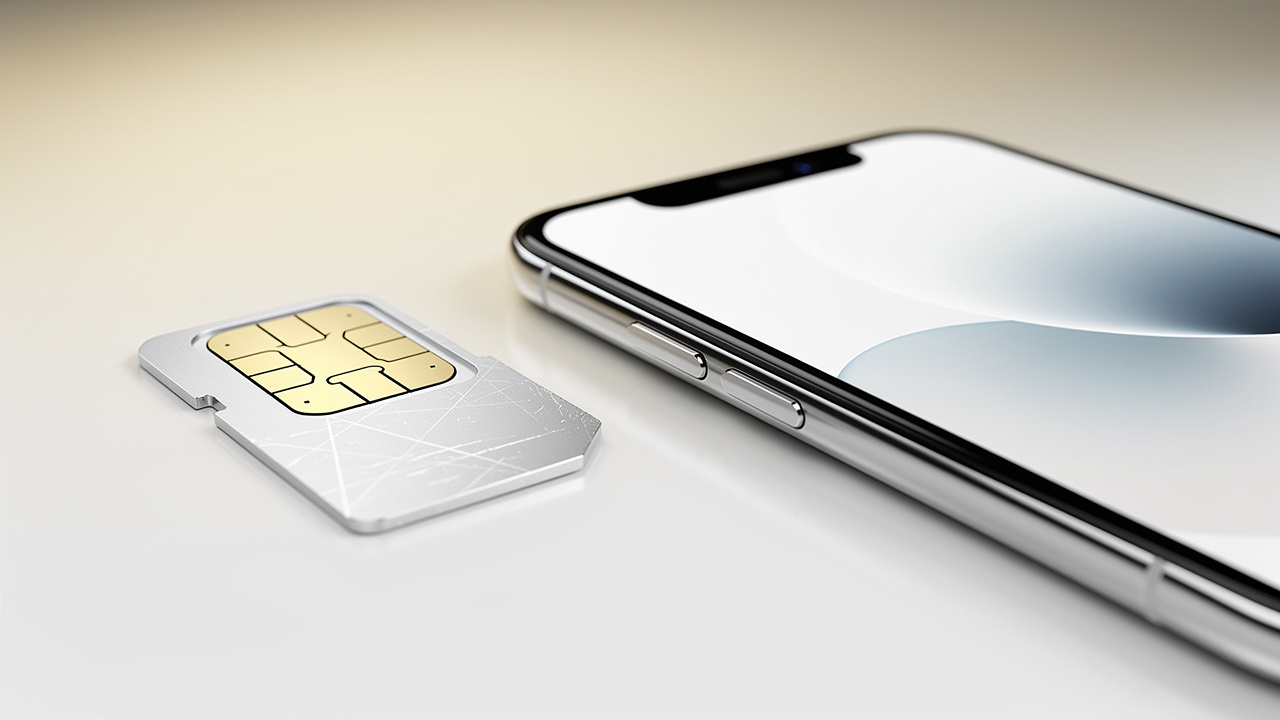
A physical prepaid SIM is the small chip that slides into the SIM tray of an unlocked phone. In Canada, you can pick one up at airport kiosks, brand stores like Fido or Telus, or big retailers such as Walmart and Best Buy.
An eSIM, on the other hand, is completely digital. Instead of swapping a tiny card, you scan a QR code and download a profile to your phone. No plastic, no tiny tray to open with a paperclip, and no risk of misplacing your home SIM in the middle of your trip.:
A physical SIM card is better for:
Older phones that do not support eSIM
Travelers who prefer buying in person and paying with cash
Anyone who likes the familiarity of a removable card
An eSIM for Canada is better for:
Newer phones that support dual SIM
People who want to set things up before flying
Travelers who like managing plans inside an app
For many visitors, eSIM Canada plans feel easier. You can set everything up from the couch before you even pack your suitcase. Once the eSIM is loaded, you can keep your home number active for calls and security codes, while the eSIM handles local data at Canadian rates. Plan changes, top‑ups, and support usually happen inside a simple app, which removes the need to line up at physical stores.
The main catch with an eSIM is phone compatibility. It only works on newer models such as:
iPhone XR and later
Google Pixel 3 and later
Samsung Galaxy S20 and later
If a phone is older, or if someone simply prefers something familiar, a classic prepaid SIM Canada card is still a strong, budget‑friendly choice.
With both options, there is one vital rule: the phone must be unlocked. If it is locked to a home carrier, a Canadian SIM or eSIM will not work at all.
Pocket Wi‑Fi units do exist as a third option. They can be handy for families or small groups sharing several devices, but for most solo travelers and couples, carrying a separate gadget to charge and protect is more trouble than it is worth compared with a simple SIM or eSIM.
Choosing The Right Canadian Data Plan For Your Visit

Once a traveler knows whether they want a physical SIM or an eSIM, the next step is choosing a data plan. We always suggest starting with real habits, not with flashy plan names. Think about how often you use maps, social media, video calls, and streaming when you are on the road.
A rough guide:
Light users (1–5 GB)
Good for:Maps around Vancouver
Ride‑hailing and transit apps
Restaurant searches and email
Occasional Instagram stories or photos
This type of plan works well for short city breaks where most evenings are spent on Wi‑Fi back at a Nomi Homes stay.
Moderate to heavy users (10–20 GB or more)
Better for:Regular video calls for work
Hotspot use with a laptop or tablet
Lots of social media and streaming
Back‑to‑back days out without Wi‑Fi
A digital nomad staying for several weeks in one of our homes in Mount Pleasant or Kitsilano will feel far more relaxed with a 30‑day plan that has at least 10 GB, or with an “unlimited” style eSIM from a brand like Holafly.
Coverage is the next big piece. Canada runs on three main networks: Bell, Rogers, and Telus. Sub‑brands ride on these same systems at lower prices:
Fido uses the Rogers network
Koodo and Public Mobile run on Telus
Virgin Plus and Lucky Mobile use Bell
In practice, that means a Fido prepaid SIM or a Telus prepaid plan will both handle Vancouver very well. Around major cities, you can expect strong 4G/LTE coverage and increasing 5G service, while more remote areas may drop to slower speeds or lose signal on some routes.
Price‑wise, expect something in the range of — and for a broader comparison of current options, the best cell phone plans in Canada can help you benchmark costs before you commit:
35 to 40 CAD for about 5 GB
50 to 65 CAD for 10 GB or more
International eSIM providers can sometimes beat these rates for short trips, especially if a traveler only needs data for 7 to 15 days.
Always read what a plan actually includes. Key details to check:
Is it data‑only, or are calls and texts included?
Does it include unlimited Canada‑wide calls and texts?
Is hotspot/tethering allowed, and is there a limit?
What happens after you use the high‑speed data — does the speed drop a lot?
Are there extra fees for voicemail or caller ID?
Best SIM Card And eSIM Options For Visitors To Canada
Option 1: Fido Prepaid Plans (Rogers Network)
Fido is a sub‑brand of Rogers, which covers almost all of the Canadian population. That makes Fido a strong pick for anyone who wants one prepaid SIM in Canada that will work across cities and on common travel routes. Fido supports both physical SIM and eSIM, so it fits both older and newer phones.
Bring Your Own Device plans offer a range of data from small buckets up to larger monthly amounts, often starting around the high‑30s in Canadian dollars. Prepaid options usually include unlimited Canada‑wide talk and text, which is handy for calling local restaurants or tour companies. Add‑ons, such as extra data or international long‑distance, make it simple to adjust if plans change.
For eSIM Canada users, Fido is straightforward:
New customers can choose eSIM during online checkout and receive a QR code right away.
Existing customers can switch from a plastic SIM to an eSIM inside the Fido app with only a few taps.
For many guests who want a mix of value and strong coverage in cities, Fido finds a good middle ground.
Option 2: Telus Prepaid Plans
Telus has a strong reputation in Western Canada, which is great news for Vancouver visitors. In our experience, coverage in and around the city, and even on many day‑trip routes, feels very solid. If someone expects to explore more of British Columbia, Telus is often our first suggestion for a local carrier.
Telus prepaid monthly plans sit at clear price points, such as around:
35 CAD for 1 GB
45 CAD for 5 GB
55 CAD for 10 GB
These often include unlimited nationwide talk and text. For longer stays, Telus also offers plans that last 90 days, which can work well for students.
Many Telus plans support eSIM, so visitors with newer phones can skip the card swap completely. Bonus data is sometimes available when setting up auto‑payments, which can stretch a budget without extra effort.
Option 3: aloSIM (International eSIM Provider)
aloSIM is a Canada‑based international eSIM provider that sells travel data in more than 170 countries. For visitors, this means a Canada‑only eSIM can be bought and installed before the plane leaves the ground at home. Plans for Canada start around a few US dollars for a small 7‑day data pack.
Everything happens in the aloSIM app or on their site, from choosing a data amount to topping up later. That is perfect for travelers who want to avoid any store visits and keep things simple.
Keep in mind:
aloSIM plans are data‑only
Calls and texts go through apps such as WhatsApp, FaceTime, or Messenger
For short trips or for guests who already use app‑based calling, aloSIM can be one of the cheapest and easiest eSIM Canada options.
Option 4: Holafly (Best For Heavy Data Users)
Holafly focuses on eSIM plans with very high or “unlimited” style data. For anyone who loves streaming video, scrolling social media on transit, or taking lots of video calls, this can feel far less stressful than watching a data meter all day.
Holafly’s Canada eSIMs cover the whole country and also work in many other destinations, so they are handy if a trip includes stops in the US or Europe as well. Like aloSIM, these plans are data‑only, which pairs well with keeping a home SIM active for regular calls and standard SMS texts.
For digital nomads settling into a Nomi Homes stay for a few weeks, a Holafly eSIM can make remote work smoother, especially when combined with home Wi‑Fi.
Option 5: Koodo Mobile (Telus Networ, Budget-Friendly Local Option)
Koodo runs on the Telus network but targets budget‑aware users with simple plans and no long contracts. For visitors who prefer walking into a store, talking to a person, and leaving with a working SIM, Koodo is a comfortable middle ground.
Prepaid options are straightforward, with:
Clear data amounts
Canada‑wide calling included on many plans
Access to the same towers Telus uses
Because Koodo uses Telus infrastructure, coverage around Vancouver and across much of British Columbia is very similar to Telus itself. Travelers who expect to visit a Koodo shop in a mall or on a busy shopping street may find this the easiest way to get a prepaid SIM in Canada without sorting everything online in advance.
How To Get Connected Before You Land In Vancouver
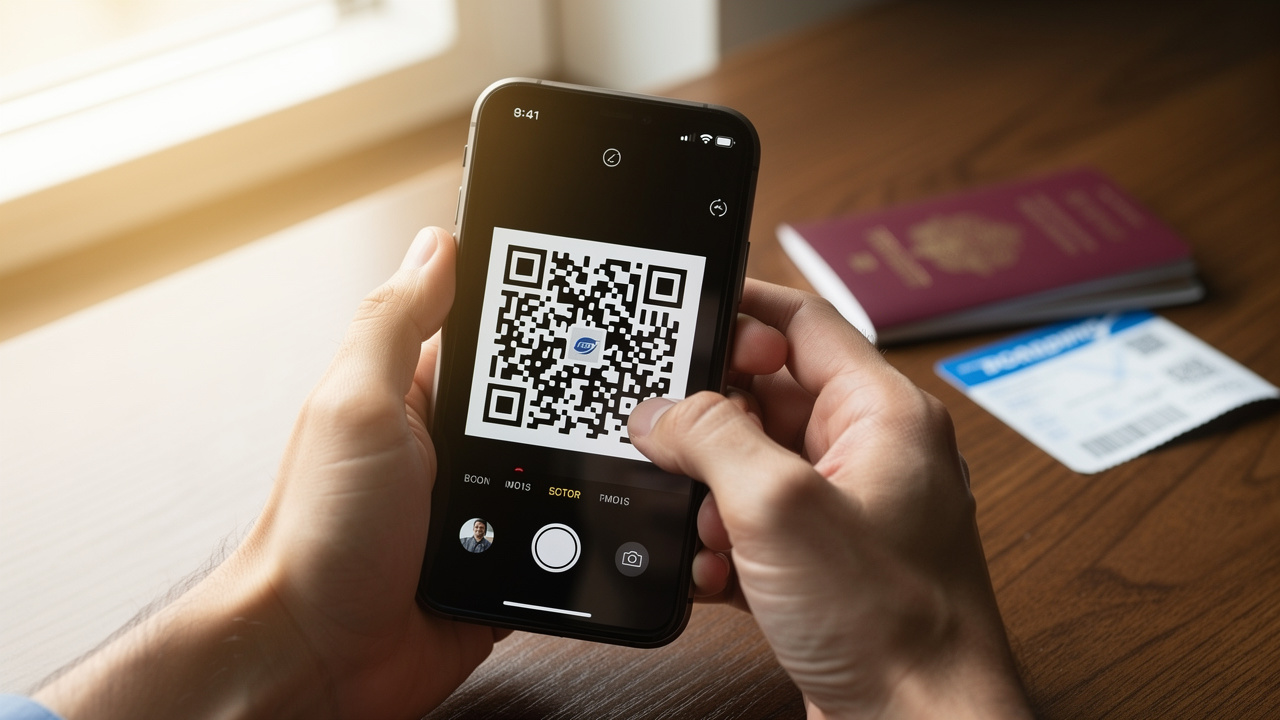
For eSIM Canada plans, we suggest setting things up a few days before departure:
Pick a provider such as aloSIM, Holafly, Fido, or Telus, and choose a Canada plan that fits your trip length and data needs.
Complete the purchase online, then look for the QR code provided by email or inside the provider’s app.
While still at home and on Wi‑Fi, add the eSIM through your phone settings:
On iPhone: Settings → Cellular → Add eSIM
On Samsung: Settings → Connections → SIM Manager
On Google Pixel: Settings → Network & Internet → SIMs
When prompted, scan the QR code and follow the on‑screen steps to install the eSIM profile.
Wait to activate the plan until the plane has landed in Canada. Validity usually begins at activation, not on the purchase date.
Once in Vancouver, a quick restart of the phone and a toggle to turn on the new eSIM profile should bring up local service within a minute or two. Make sure data roaming is enabled for the eSIM line if asked.
For a physical prepaid SIM in Canada, the first stop can be Vancouver International Airport:
In the arrivals area, look for kiosks from brands on the Rogers family (such as Fido or Chatr). They often sell starter packs.
Staff can usually help choose a suitable data plan Canada visitors will not outgrow halfway through their trip.
If you prefer to wait, carrier stores, Best Buy, and Walmart branches across the city sell SIM cards from Telus, Koodo, Bell, and other brands.
Bring a passport or photo ID. Some shops may ask for identification, especially in malls or at the airport.
Once the SIM is inserted, restart your phone and follow any on‑screen prompts to complete activation.
When guests arrive at a Nomi Homes property, they already have fast Wi‑Fi waiting at their home base. That makes it easy to install an eSIM, compare plans online, or contact a carrier if anything needs fixing. From there, they can step out into the neighborhood with maps loaded, transit apps ready, and local tips from our guides bookmarked on their phones.
Conclusion

Staying connected in Vancouver does not have to be stressful or expensive. For most visitors with newer phones, an eSIM Canada plan offers the smoothest experience, letting them install everything before they fly and land with data ready to go. For travelers with older devices or those who prefer to pay with cash in person, a physical prepaid SIM in Canada from Fido, Telus, or another major brand is still a smart and simple choice.
We often see guests pick Fido or Telus for strong local coverage, while aloSIM and Holafly work well for shorter visits or for heavy data users who prefer data‑only plans. Whatever the choice, the key steps are the same: make sure the phone is not carrier‑locked, check that it supports eSIM if needed, and match the plan’s data and length to the trip.
With the phone sorted, there is more time to explore sea views, neighborhood bakeries, and local parks instead of hunting for free Wi‑Fi. If someone is planning a stay in Vancouver, we would be glad to host them at Nomi Homes, where handpicked residences and local guides help every trip feel a little more like real city living.
FAQs
Do I Need To Show My Passport To Buy A SIM Card In Canada?
For most prepaid SIM purchases in Canada, formal passport registration is not required. Some stores, especially in malls or airports, may still ask to see identification. It is smart to keep a passport or a copy handy, while online eSIM purchases need no in‑person ID at all.
Can I Use An eSIM In Canada With My iPhone?
Yes, many iPhones work very well with eSIM Canada plans. Models from iPhone XR, XS, and newer all support eSIM, as long as the phone is not locked to a single carrier. The setup is simple: in Settings, go to Cellular, choose Add eSIM, scan the QR code, and follow the prompts.
Is Wi‑Fi Enough In Vancouver, Or Do I Really Need A Local SIM?
Vancouver has plenty of Wi‑Fi in cafes, libraries, and accommodations, including Nomi Homes properties. That said, a local SIM or eSIM makes life much easier for maps, ride‑hailing apps, and last‑minute plan changes while moving around the city. With a data plan, Canada visitors can explore at their own pace without stopping to search for the next hotspot.
What Is The Cheapest Prepaid SIM Option For A Short Visit To Canada?
For trips of about a week, an international eSIM from a provider like aloSIM can be one of the lowest‑cost choices, with small data packs at modest prices. For those who want a physical card, low‑cost brands on the Rogers network, such as Chatr, often have very competitive prepaid plans. It still pays to compare the data amount, not just the sticker price, since a slightly higher price with more data can work out better by the end of the trip.
Leave a Reply