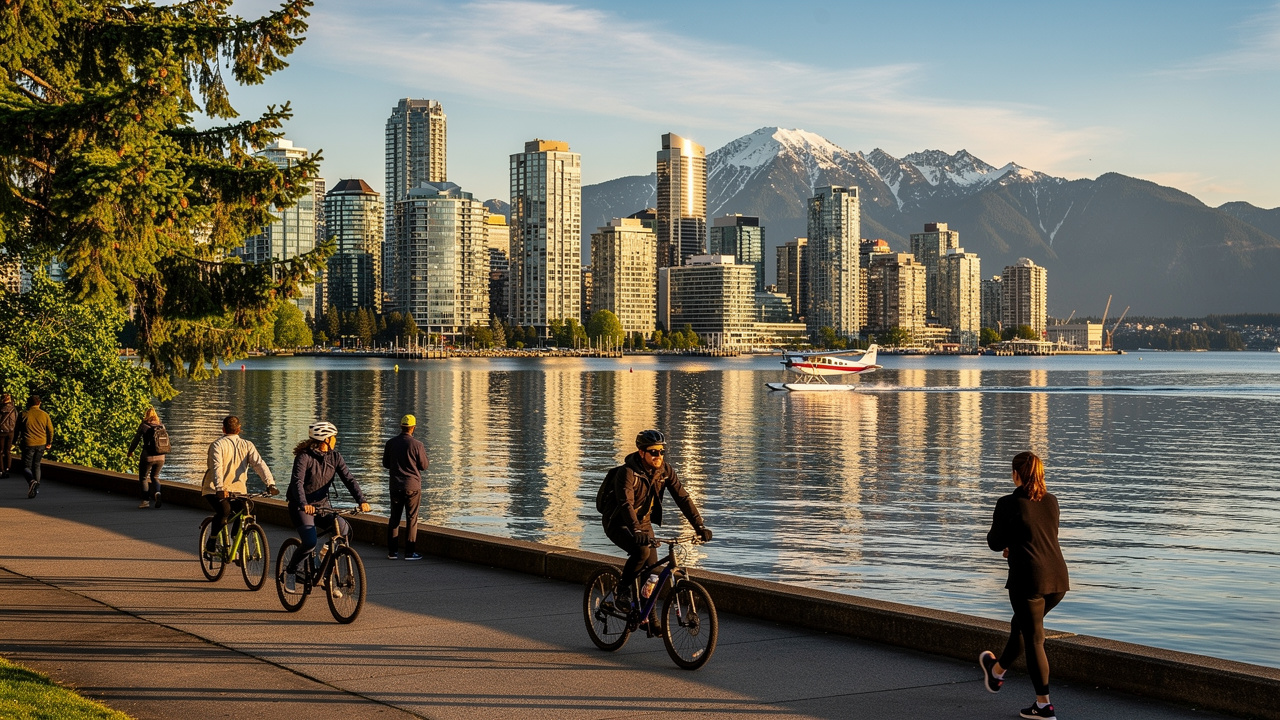
Vancouver has a reputation as a pricey city, and many people wonder if their budget can stretch far enough. So, how much does a trip to Vancouver cost (updated for 2026) once flights, stays, meals, and activities enter the picture?
As always, the answer depends on how you like to travel. As locals here at Nomi Homes, here are some estimates we can give you.
We break down prices for a 2026 visit, from daily travel budgets to what you can expect to spend on rooms, food, transit, and activities.
Key Takeaways

Daily budgets range from about $57 to $471 per person. Budget travelers sit near the low end of that spread. Mid‑range days land around $158, and luxury days reach the top. These amounts cover everything on the ground except flights.
The largest costs are rooms, meals, and paid activities. Transit usually takes a far smaller slice of your budget. If you want to save, focus on where you sleep and what you eat.
For better value, visit in spring or fall and stay in a home with a kitchen. March through May and September through November bring softer prices and smaller crowds. Cooking simple meals at home cuts food costs.
What Does a Trip to Vancouver Cost Per Day?

When people ask how much a trip to Vancouver should cost per day, we usually answer with three travel styles. Think of budget, mid‑range, and luxury days as three lanes on the same road, each with its own comfort level.
The daily amounts below cover accommodation, food, local transportation, and typical activities around the city, but they do not include flights.
| Travel Style | Daily Cost (USD) | Daily Cost (CAD) |
|---|---|---|
| Budget | ~$57 | ~CA$82 |
| Mid‑Range | ~$158 | ~CA$225 |
| Luxury | ~$471 | ~CA$678 |
(Exchange rates shift over time, so treat these numbers as rounded guides.)
Budget travel (~$57 USD / ~CA$82 per day)
This level usually pays for a hostel bunk or simple private room, public transit, and low‑cost meals from food trucks or supermarkets. You still get seawall walks, city parks, and neighborhood markets, because many of Vancouver’s best moments are free.
Mid‑range travel (~$158 USD / ~CA$225 per day)
Step up to a mid‑range day and you add a private bedroom, café breakfasts, sit‑down dinners, and a couple of paid sights each week. At this level, many visitors choose a central apartment from Nomi Homes for more space and a kitchen without luxury‑hotel prices.
Luxury travel (~$471 USD / ~CA$678 per day)
Luxury days start near $471 USD and rise from there, with high‑end hotels or premium homes, tasting menus, spa time, and private cars or tours. At that level, a one‑week trip can sit close to $3,300 USD per person, while a mid‑range week sits near $1,107 USD for one traveler or $2,214 USD for a couple.
Families often pay less per person in every tier, since rooms, transit passes, and shared plates spread across more people.
You can mix budget lunches with one special dinner, or choose a homier stay and spend more on experiences.
Breaking Down the Major Expenses in Vancouver

It helps to see where each dollar goes in Vancouver. Most Vancouver travel budgets rest on four pieces: accommodation, food, transportation, and activities.
Accommodation
Accommodation usually takes the biggest share. As a rough guide:
A standard hotel room averages about $168 USD per night, and summer rates can climb near $299 USD.
Budget hotels often sit between $102 and $190 USD.
Luxury rooms range from roughly $254 to $474 USD per night.
Food And Drink
Food averages close to $52 USD per person each day if you mix casual and mid‑range meals. Typical ranges look like this:
Breakfast at a café: $5–$15 USD
Lunch: $8–$21 USD
Dinner: $15–$36 USD
You can trim that bill with food trucks, sushi lunches near $12 CAD, and dim sum in Chinatown. A home kitchen adds more savings, since one grocery run can cover several easy meals.
Do not forget that tax and tip add to restaurant bills, so plan a little extra in your food budget.
Local Transportation
Local transportation stays gentle on most budgets. The TransLink system covers SkyTrain, buses, and the SeaBus, and a DayPass costs about $9 CAD. The Canada Line from the airport reaches downtown for under $9 CAD, while a taxi can sit around $29 CAD for the same route.
For most visitors:
DayPasses are best if you ride transit several times in one day.
A stored‑value Compass Card works well for longer stays or if you travel off‑peak.
Activities And Sights
On average, people spend about $35 USD per day on sights, tours, and fun. Many headline spots are free or low‑cost:
Stanley Park, the seawall, and the beaches
Gastown’s historic streets
Granville Island’s public market
Big sights like Capilano Suspension Bridge, the Vancouver Aquarium, or the Museum of Anthropology charge admission, often between $20 and $60 USD. Most visitors mix one paid stop with hours of free exploring, which keeps the activity budget steady without missing the city’s highlights.
Smart Tips to Save Money on Your Vancouver Trip

Travel In Shoulder Season And Plan Ahead
Spring and fall usually bring lower prices and easier bookings than peak summer. When you lock flights and stays early, you often pick up the best rates on both.
If your dates are flexible, compare:
Late April vs. mid‑July
Early October vs. August long‑weekend dates
A shift of just a week or two can mean lower night‑by‑night costs.
Rely On Public Transit Instead Of Taxis Or Rideshares
The TransLink system connects most neighborhoods by SkyTrain, bus, or SeaBus with clear signs and route maps. A single DayPass often beats the cost of one cab ride to Stanley Park.
Save taxis or rideshares for late‑night returns or early‑morning airport runs and use transit for almost everything else.
Eat Like Locals To Keep Food Costs Steady
Look for:
Food trucks near downtown and along the seawall
Neighborhood sushi spots with busy lunchtime crowds
Dim sum restaurants where tables fill up fast on weekends
Big midday meals and lighter dinners let you enjoy great food without stretching your budget. Picking up snacks at a supermarket or Asian grocery store also keeps impulse spending in check.
Pick A Home‑Style Stay And Fill Days With Experiences
With Nomi Homes, amenities like a kitchen, laundry, and extra space make longer trips feel easier and often cheaper per night. You can:
Cook breakfast at home
Pack snacks or picnic lunches
Relax in the evening without needing bar or lobby time
Pair that with seawall walks, beaches, neighborhood markets, and public art, and you can save your cash for the few big‑ticket sights that matter most.
Conclusion

Vancouver might have a pricey reputation, yet it can fit many budgets with the right plan. Once you know that days can run from about $57 USD on a tight budget to $471 USD for a luxury blowout, the city feels far less mysterious. Clear numbers for rooms, meals, transit, and activities let you shape a Vancouver travel budget that matches both your wallet and your style.
With Nomi Homes, you trade a generic room for a lived‑in Vancouver home and local guidance that points you toward great‑value food, transit, and sights. Let us help turn the costs in this guide into mornings and sunsets you will remember long after your 2026 trip ends.
FAQs
How much money should I budget for a week in Vancouver?
For a mid‑range week in Vancouver, we suggest about $1,107 USD for one person or $2,214 USD for a couple, not including flights. Very lean budgets can drop closer to $400–$500 USD if you choose simple rooms, cook some meals, and focus on free activities.
Is Vancouver expensive to visit compared to other Canadian cities?
Vancouver sits near the top for hotel and restaurant prices, yet many free options help balance that. A home with a kitchen, such as a Nomi Homes residence, holds food costs down and can be more cost‑effective for couples, families, and groups.
What is the cheapest time of year to visit Vancouver?
The cheapest prices often run November through January, when rain is common and crowds thin. For value with easier weather, pick March–May or September–November, when you can still catch mountain views and seawall walks without peak‑season rates.
Leave a Reply