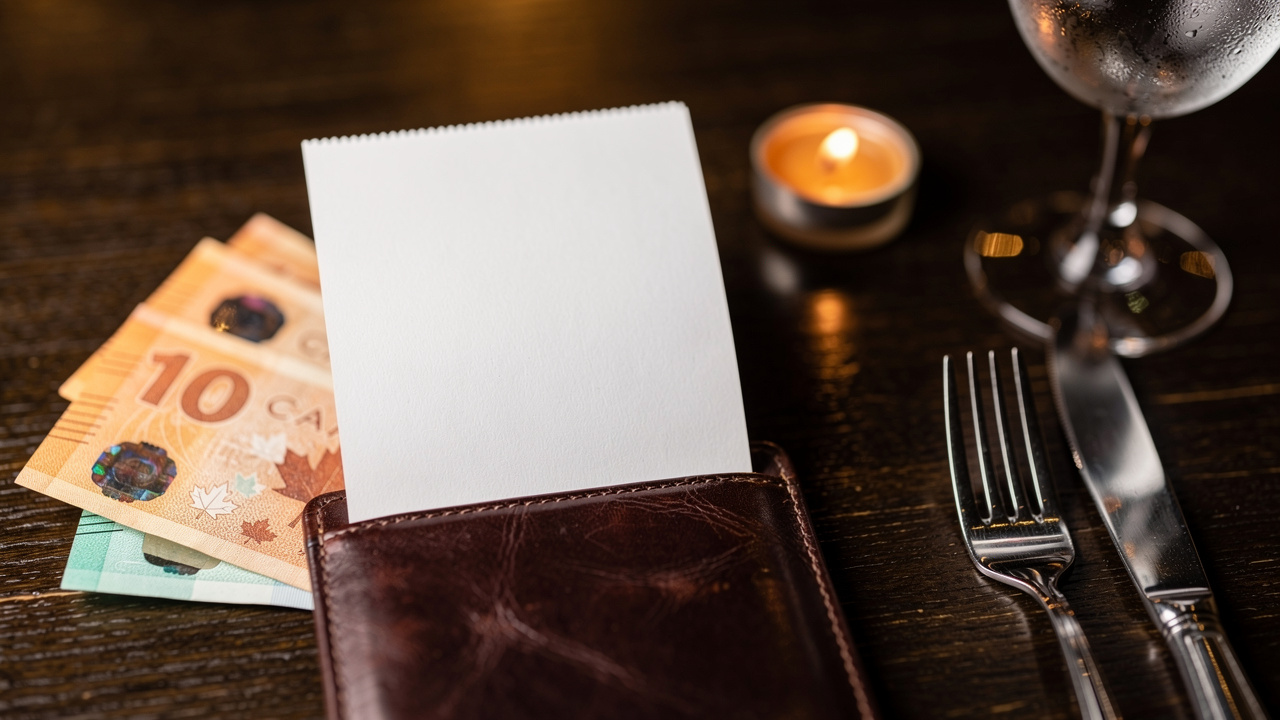
The server lays the bill on the table after a pre‑match meal near BC Place. The food was great, the room buzzing, and then everyone pauses at the same blank space on the receipt. That single line for a tip can turn a relaxed dinner into quiet math about tipping in Canada.
This guide is for World Cup visitors (or any visitors in the country) who want to feel calm and confident with every bill. We cover how much to leave in restaurants, taxis, hotels, and tours, and when a tip is truly optional so customs around tipping in Canada feel clear and fair.
Key Takeaways
The standard tip at sit‑down restaurants is 15%–20% of the pre‑tax bill—toward 15% for solid service and nearer 20% for standout care. This is the main rule visitors rely on.
Always base tips on the pre‑tax subtotal, not the total with GST or HST. That way you are not tipping on tax the government collects.
Counter‑service cafés, fast food spots, liquor stores, and most takeout windows do not expect tips. Payment screens may still suggest them, but locals often press skip—and visitors can too.
Cash helps a lot with hotel staff, tour guides, valets, and taxis in remote areas. Keep a few fives and tens in Canadian dollars handy for those moments.
Tipping is one small way that awareness shows up when you eat and travel in Canada.
Tipping Etiquette By Service Category
During World Cup matches and watch parties, most spending falls into a few clear groups: eating out, grabbing drinks, getting around, staying somewhere, and joining tours.
Those are also the places where questions about tipping in Canada show up again and again.
Restaurants, Bars, And Cafés

Sit‑down restaurants are the core of tipping in Canada. For friendly, attentive service, most people leave about 15% of the pre‑tax bill. When a server checks in at good moments and helps with special requests, many guests go closer to 20% or a bit more.
Bars work a little differently. When someone orders directly at the bar, about one dollar per drink is common. If a group opens a tab and the bartender looks after them all night, a 15%–20% tip on the pre‑tax total works well. Wine experts who help choose bottles may receive a small extra tip, usually less than the main server.
Cafés and casual spots follow a simple rule many Canadians repeat:
If you sit and receive table service, a tip is expected.
If you order at a counter and carry everything yourself, a tip is not required.
Restaurant takeout sits in the “optional” zone: people sometimes add up to 10% for large or complex orders, but no one expects it.
Modern payment machines often suggest tips on the full total after tax. When you can, use the custom dollar option so your tip is based on the pre‑tax subtotal instead.
Hotels, Transportation, And Tours

World Cup visitors who stay in central Vancouver or nearby areas meet many helpful staff members outside restaurants. Here, gratuities are usually set dollar amounts rather than percentages.
Bellhops and porters: $1–$2 CAD per bag, or about $5 total when there are several bags.
Housekeeping: about $5–$10 per night, left on the pillow or desk. A short thank‑you note is always appreciated but not required.
Concierges: $5–$10 when they secure tricky restaurant bookings or design detailed day plans.
Valet parking: $10–$20 when the car is returned, with the higher end common at upscale hotels or late at night.
Taxis and rideshares: 10%–20% of the fare or a rounded‑up amount for taxis; 10%–15% in‑app for services such as Uber or Lyft.
Tour guides: for group tours, about $5 per person for short transfers and around $10 per person for full‑day trips. For private tours, many couples give about $75 for half a day and around $100 for a full day.
We also suggest carrying some Canadian cash, especially small bills, for tour guides and remote taxi rides where card readers can fail.
How To Calculate Your Tip The Right Way

Once you know the right range, the next hurdle is doing the math. The key rule is simple: always calculate the tip on the pre‑tax subtotal, not on the final total with GST or HST included.
This matters more than it sounds. Sales tax already adds a noticeable chunk to restaurant and bar bills. If you tip on the full amount, you are tipping on tax as well. That may not feel huge once, but across a full World Cup trip it can add up.
In most provinces, the federal GST is 5%. A quick shortcut for a 15% tip is to look at the GST line and multiply it by three. If GST shows as $3, a 15% tip is $9. In provinces with HST, such as Ontario at 13%, many diners glance at the tax line and leave a tip slightly higher than that number.
Payment terminals can nudge people away from these simple numbers. Many display big buttons for 18%, 20%, or even 25%, often calculated on the total with tax. Whenever you can, use the custom dollar button, check the pre‑tax subtotal, and choose the amount that feels right to you.
When Tipping Is Optional (And When It’s Not)
Some settings use tip prompts even though tipping is not part of normal custom. In these moments, skipping the tip keeps you in line with what many Canadians already do.
Counter‑service cafés and coffee bars: terminals may spin around with big tip options, but most locals press skip for a simple drip coffee or snack.
Fast food and self‑serve spots: staff earn regular wages and service is basic, so there is no need to add a tip unless you genuinely want to.
Retail stores and liquor shops: jars and on‑screen prompts mostly act as places for spare coins. Visitors can ignore them without worry.
Takeout pick‑up windows: when you order ahead and only grab a bag, a tip has low importance. For very large or tricky orders, up to 10% is a kind but optional gesture.
Many restaurants use a tip‑out system where servers share a set percentage of their sales with hosts, bussers, and kitchen staff. If a table leaves no tip, the server can lose money on that bill. When service goes badly, it is reasonable to reduce the tip and then speak with a manager about what happened.
Large groups often see an automatic gratuity of about 15%–18% already added to the bill. That amount covers the tip for the meal. Guests only add more if service feels far beyond normal and they truly want to.
Settling In Like A Local With Nomi Homes

Getting comfortable with tipping in Canada is only one part of feeling at home in Vancouver. Where you stay shapes how quickly you relax into local life. That is where we put most of our care at Nomi Homes.
We host guests in carefully chosen homes across real Vancouver neighborhoods, not just in hotel districts. Each space offers a full kitchen, laundry access, and the small touches that make a stay feel more like a short‑term home than a standard room. Cooking simple breakfasts or dinners in helps balance meals out, keeping both the food budget and tipping costs under control during long tournament weeks.
Beyond the walls of each home, we share local knowledge that many visitors say becomes the best part of their trip. Our neighborhood guides highlight where to eat nearby, which cafés feel welcoming for remote work, and how to reach BC Place in about twenty minutes from the front door. Along the way, we explain everyday customs so guests understand how people in Vancouver live, spend, and handle tipping in Canada.
We want every person who books with Nomi Homes to feel less like a visitor and more like a temporary local. If that sounds right for a World Cup stay, our homes and guides are ready to help.
FAQs
Is Tipping Mandatory In Canada?
Tipping is not a legal requirement, but it is strongly expected in sit‑down restaurants, hotels, and many personal services. Skipping a tip in those places often feels like a social mistake to staff and nearby diners. In counter‑service and retail settings, a tip remains fully optional even when the screen suggests it.
How Much Should I Tip At A Restaurant In Canada?
For normal good service, most guests leave about 15% of the pre‑tax bill. When service feels outstanding, 20% or a little more fits the custom around tipping in Canada. The GST‑times‑three trick gives a fast way to find a fair 15% tip.
Do I Need Cash To Tip In Canada?
Cards and in‑app tipping work well in most restaurants, bars, and rideshares. Cash still helps a lot for hotel housekeeping, valets, tour guides, and taxis in remote areas where machines may fail. We suggest keeping a few small Canadian bills on hand throughout a stay.
What Is Tip Creep In Canada?
Tip creep describes payment terminals that ask for tips in places that never used to expect them, such as coffee counters, takeout windows, and retail stores. This trend sparks plenty of debate among Canadians and visitors. Guests are free to press skip in these spots without breaking any real rule of tipping in Canada.
Leave a Reply